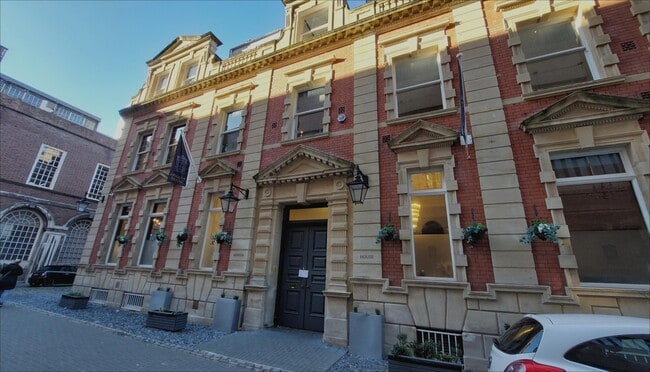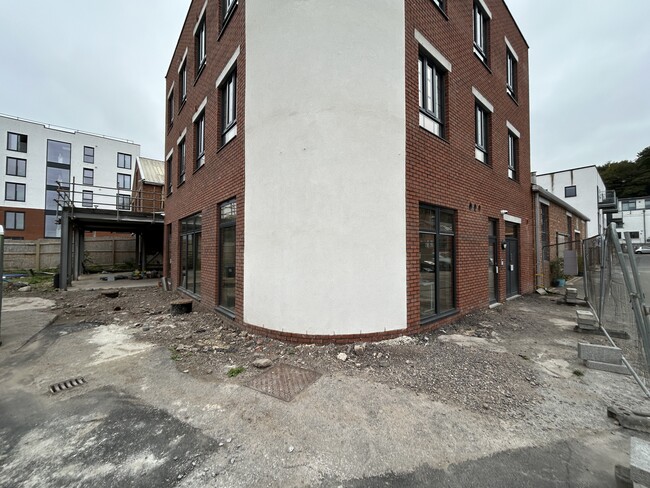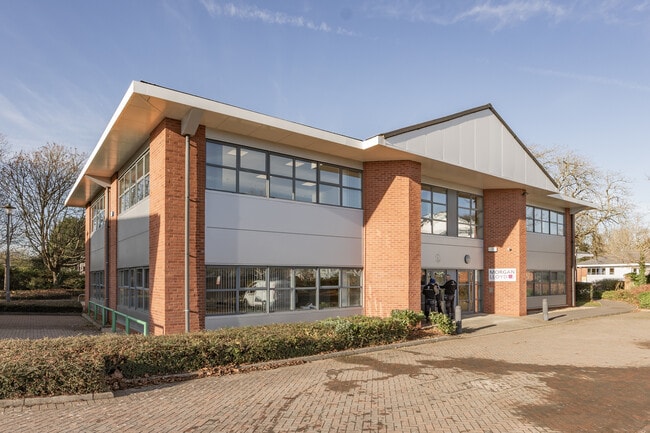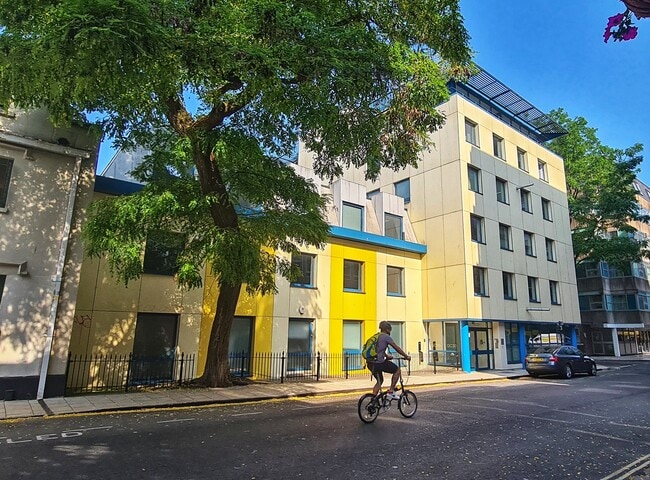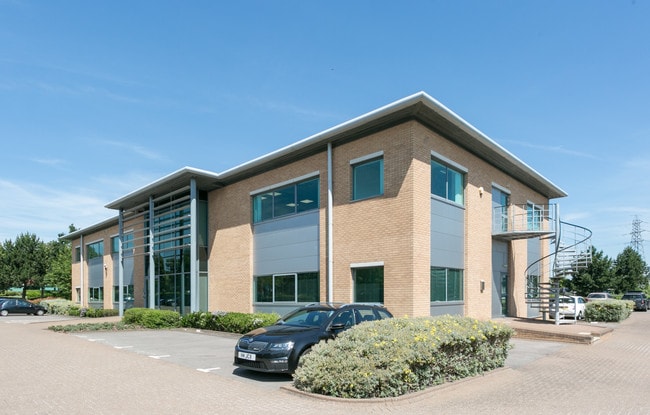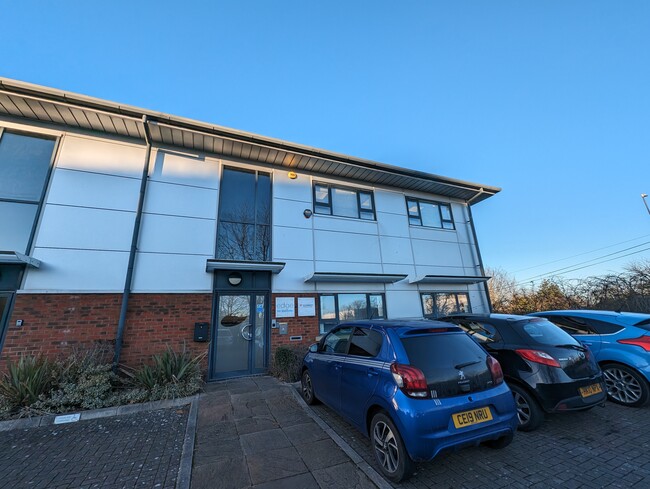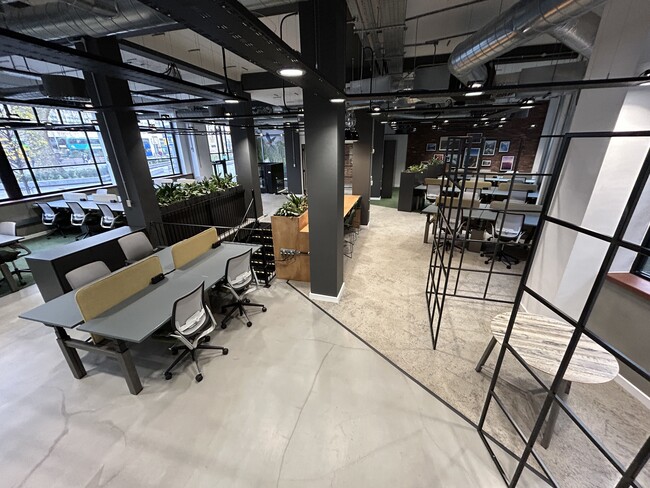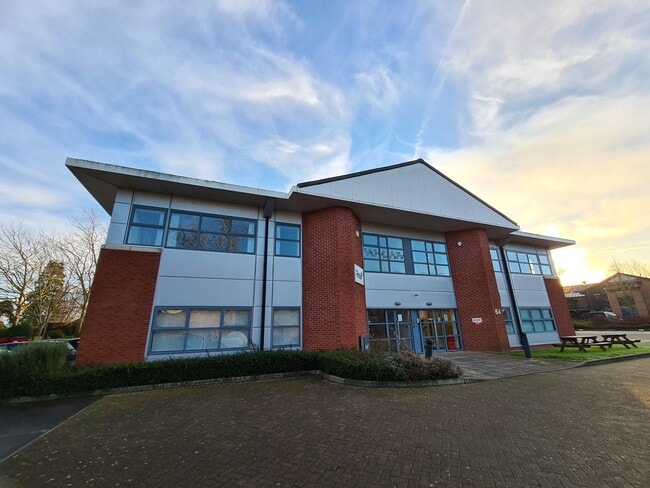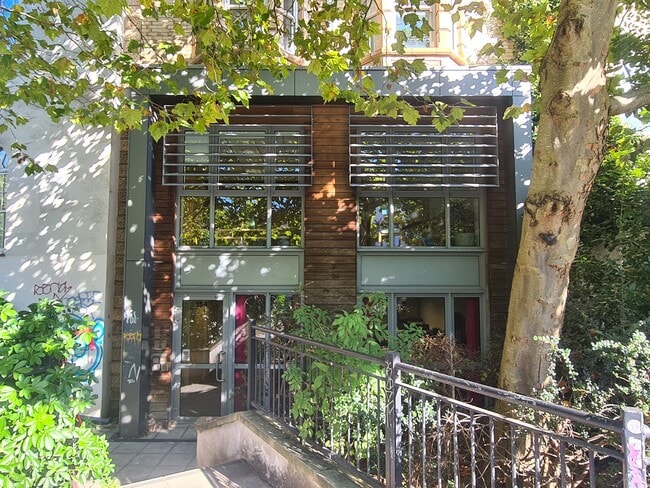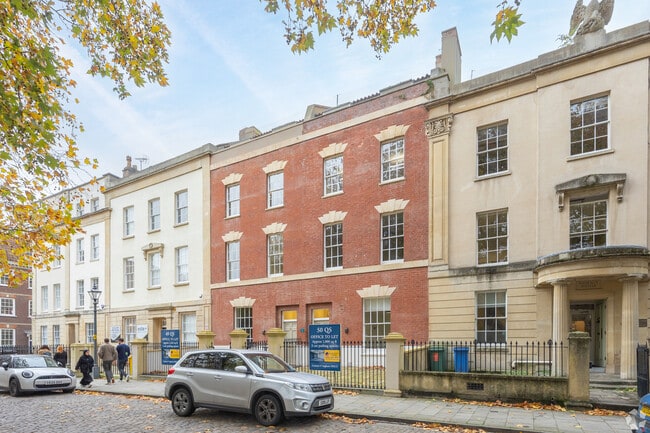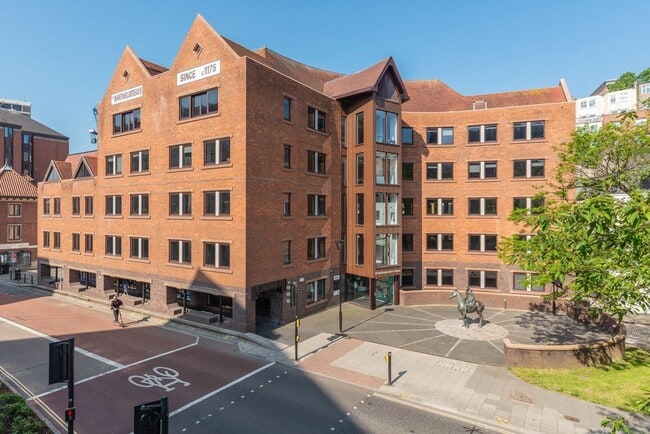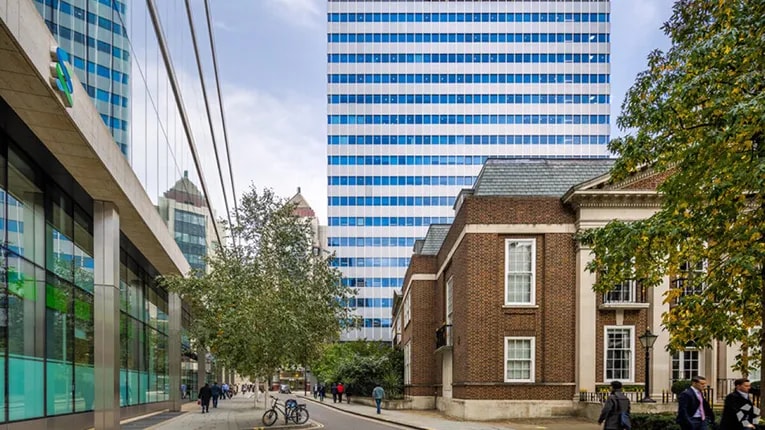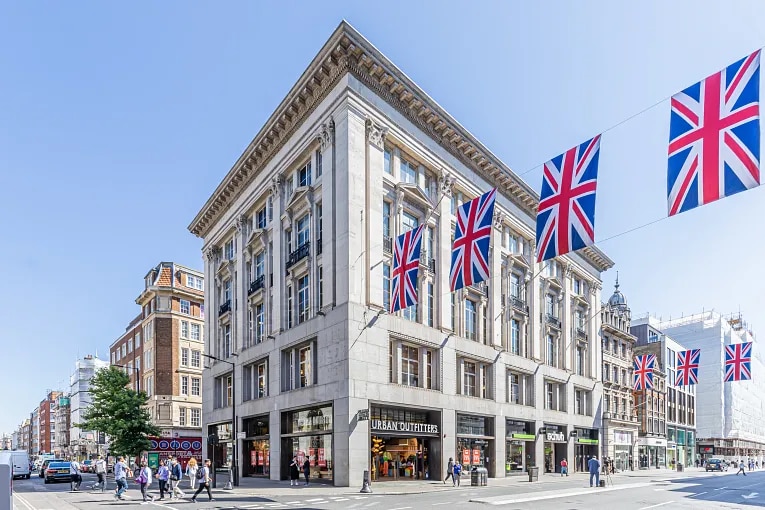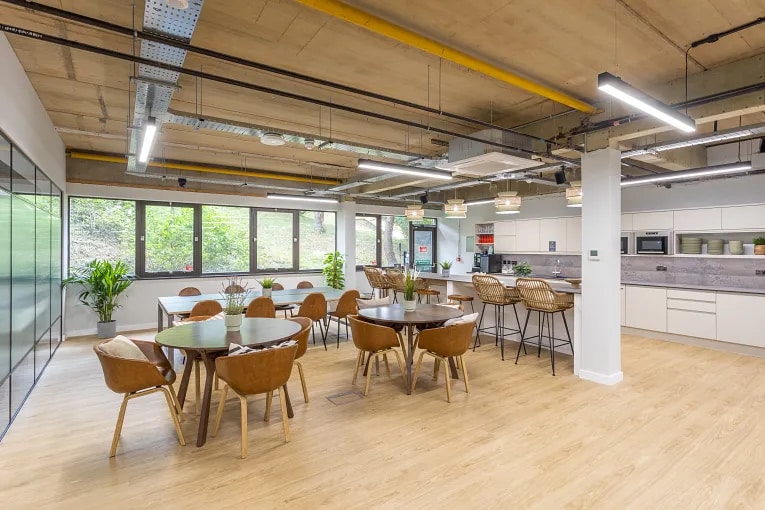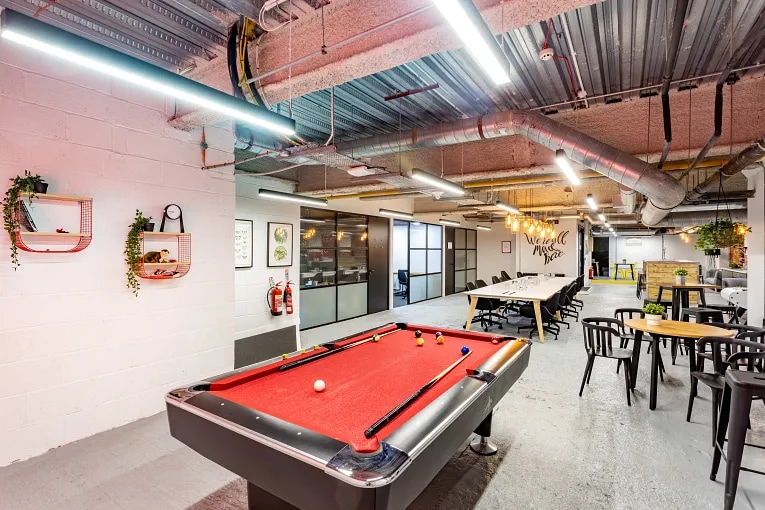
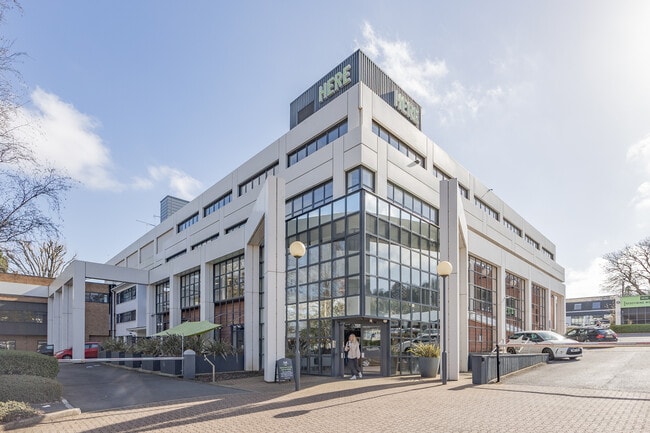
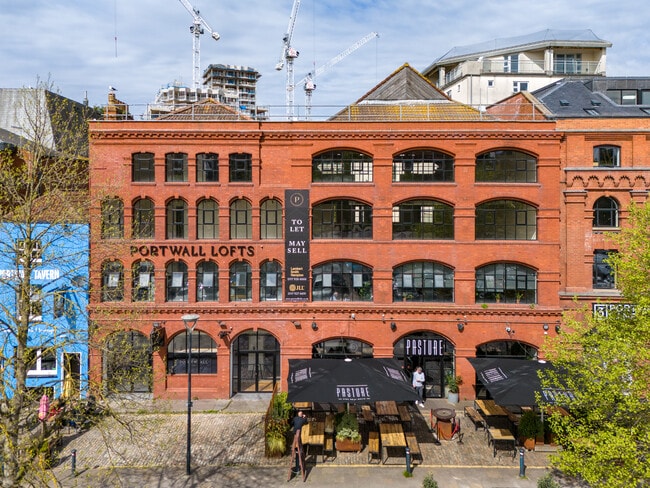
Whitefriars - Lewins Mead
Bristol, BS1 2NT
- Office to Let
- £18.50 - £22.00 sq ft pa
- 1,526 - 7,532 sq ft
- 3 Spaces Available Now
See More

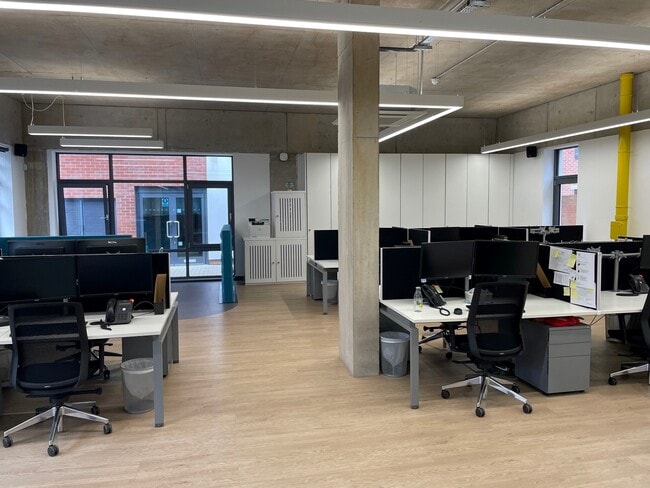
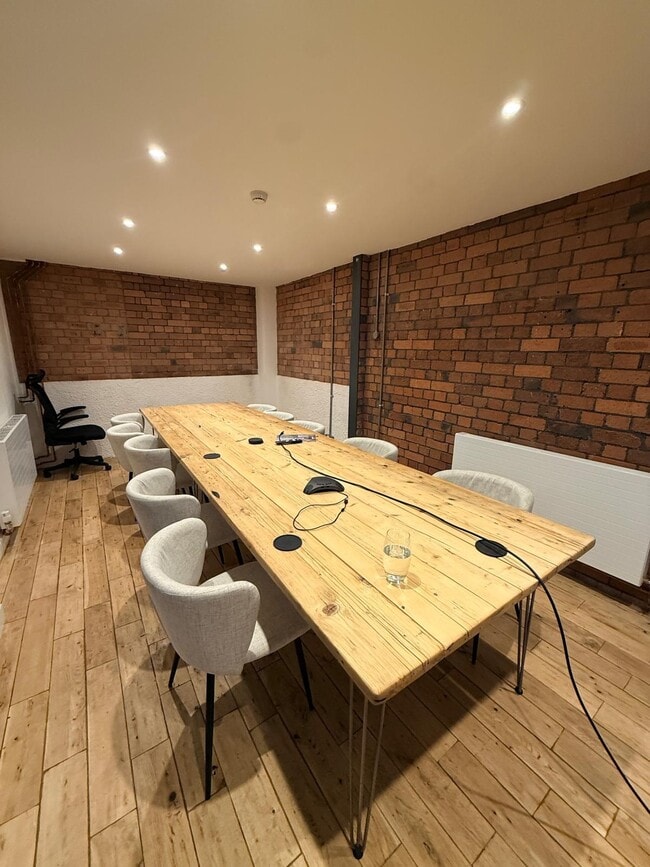
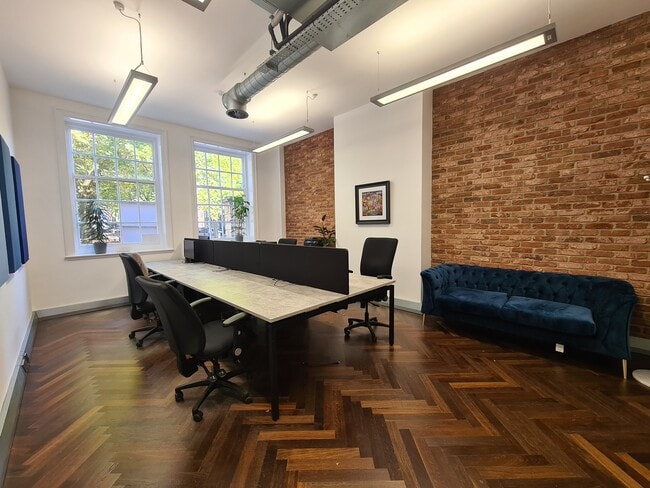
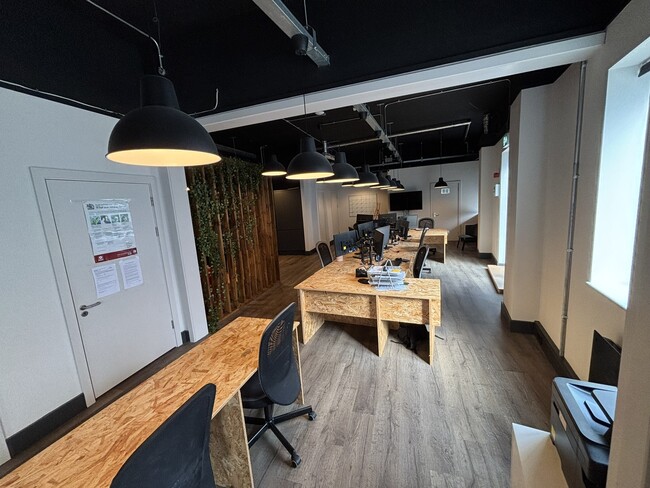
Long-lease office spaces alongside fully serviced and managed offices, ideal for businesses seeking a professional environment with flexibility to grow
 View on Map
Bristol is a regional city in South West England with a diverse urban structure that includes a historic core, regenerated former industrial areas, suburban business parks and port-side logistics locations. Key neighbourhoods for occupiers include the city centre and Harbourside, Temple Quarter around Bristol Temple Meads station, Clifton and Hotwells to the west, Filton and North Bristol for aerospace and advanced manufacturing, and Avonmouth and Severnside for logistics and distribution.
Occupiers searching for commercial property to rent in Bristol will find a broad range of stock from small office suites and retail units to larger Grade A office floors, industrial warehouses and development sites. The city’s mix of listed buildings, modern developments and business parks means occupiers must balance building quality, operational needs and conservation or planning constraints when choosing a location.
Bristol’s economy is diversified, with strengths in professional services, creative and digital industries, advanced engineering and aerospace, financial and insurance services, and health and life sciences. The city’s universities supply a skilled labour pool and support research and development linkages to local employers.
Major clusters include aerospace and advanced manufacturing centred around Filton and South Gloucestershire, a creative and digital cluster in the city centre and harbourside, and logistics activity focused on Avonmouth and road-accessible industrial estates. The public and health sectors also represent significant local employment, anchored by major hospitals and public institutions.
Transport connectivity is a primary occupier consideration in Bristol. The city benefits from a major regional rail hub at Bristol Temple Meads with services to London and the West Country, and key road links via the M4 and M5 motorways providing access to national trunk routes. Bristol Airport offers regional and international flights and is a consideration for sectors with regular travel needs.
Local connectivity includes frequent bus services, a developing cycling network and improving active travel provision. Rail-led regeneration around Temple Quarter is increasing the appeal of sites near the station. For industrial occupiers, deep-water port facilities at Avonmouth and good motorway junction access are important locational factors.
The commercial property market in Bristol is shaped by occupier demand, planning and development constraints, and investor appetite. Demand drivers vary by sector: offices are influenced by employment growth in professional and tech sectors and changing working patterns; retail demand is tied to footfall and leisure amenity; and industrial demand is driven by distribution, manufacturing and logistics needs.
Supply dynamics hinge on the pipeline of new development, availability of second‑hand stock and suitability of existing buildings for modern occupier requirements such as sustainability standards, floorplate efficiency and parking. Landlord incentives, lease terms, service charges and occupational costs (rent, business rates and fit-out) will all affect take-up decisions.
Office occupiers in Bristol target a range of buildings from flexible co-working and serviced offices to refurbished town-centre floors and new Grade A developments. Tenant demand tends to concentrate where access to talent, universities and amenity is strong—districts such as Temple Quarter, Harbourside, Clifton and parts of the city centre are commonly sought.
Key considerations for office occupiers include floorplate size and configuration, building energy performance, landlord-led management and service charges, and the availability of on-site or nearby amenities. Occupier requirements are also affected by hybrid working patterns, which have increased demand for flexible leases, smaller HQ footprints balanced with collaborative space, and high-quality amenity provision.
When leasing offices, occupiers should look for clarity on rent review mechanisms, service charge caps or budgets, responsibility for repairs, and the presence of break options or subletting rights. Fit-out allowances and landlord contribution to tenant improvements can be negotiated as part of the lease package.
Retail occupancy in Bristol spans traditional high streets, shopping centres such as Broadmead and Cabot Circus, independent-led neighbourhood parades and the Harbourside leisure offer. Retail occupiers and landlords must respond to changes in consumer behaviour, the growth of experiential leisure, and the role of online retail alongside physical retail space.
Primary retail locations with strong footfall and destination offer will continue to attract occupiers looking for market visibility. Secondary locations may offer lower rents but can require more active customer engagement and marketing. Lease terms for retail units typically reflect turnover-based covenants in some sectors, landlord obligations for common areas, and provisions for signage, opening hours and use class restrictions.
Bristol’s industrial and logistics market includes urban warehouses, modern distribution units and specialised manufacturing space. Avonmouth, Severnside and units close to the M4/M5 corridors are typical for occupiers requiring heavy goods vehicle access and proximity to port facilities, while smaller industrial estates and trade counters are distributed around the city and suburbs.
Industrial occupiers prioritise eaves height, loading configuration, yard space, vehicle circulation and power supply. The market has seen consistent demand for well-specified space that supports fulfilment and last‑mile operations, and limited availability of modern big-box stock can influence lease terms and incentives. Occupiers should consider planning permissibility for their intended uses and the potential for retrofit to meet environmental or operational requirements.
Temple Quarter and Bristol Temple Meads: A major focus for regeneration and new office development, Temple Quarter is attractive for occupiers prioritising rail connectivity and modern workspace. Proximity to the station supports corporate and professional services occupiers and firms that rely on business travel.
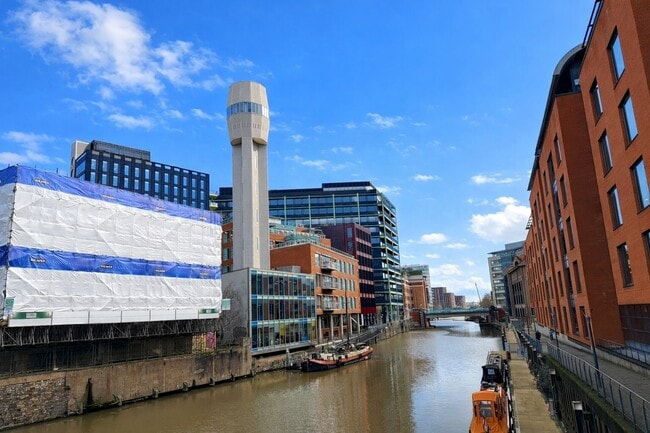
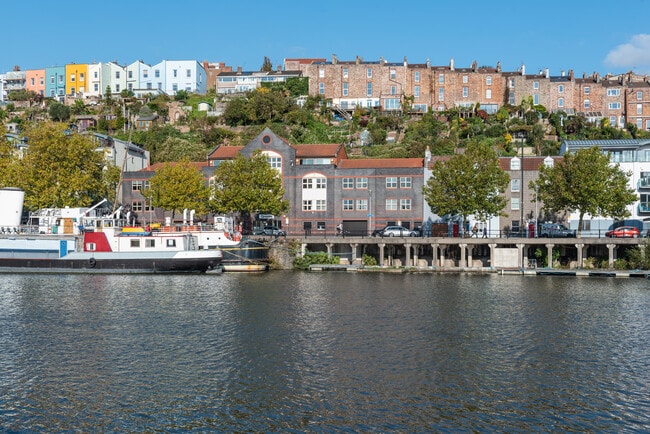
City Centre and Harbourside: The city centre combines financial, professional and creative occupiers with retail and leisure amenity. Harbourside offers a mix of office, leisure and cultural uses and appeals to occupiers seeking a high-amenity riverside setting.
Clifton and Queen’s Road: Clifton is known for professional services, legal practices and high-specification office buildings in a premium environment. It is desirable for firms that value prestige, access to central amenities and proximity to universities.
Filton and North Bristol: Home to aerospace and advanced manufacturing businesses, this area is important for occupiers in engineering and manufacturing sectors, offering access to specialist suppliers and a skilled workforce.
Avonmouth and Severnside: The port and industrial areas to the west of the city are the principal locations for heavy industrial activity, large distribution centres and businesses that require direct maritime or heavy freight access.
Business Parks and Suburban Estates: A range of business parks around the city provide larger floorplates, on-site parking and lower rental levels than central locations; these parks are commonly occupied by manufacturing, logistics and trade-counter operators.
Lease structure: Full repairing and insuring (FRI) leases are common for commercial property in the UK and typically place responsibility for repair, maintenance and insurance with the tenant. Other structures include internal repairing leases where the landlord retains responsibility for the building shell. Leases can also include service charges for shared services and common parts where relevant.
Lease length and flexibility: Lease terms for commercial properties vary by sector and asset quality. Typical office leases often range with medium-term lease lengths to provide security for both parties, while industrial and retail leases also vary depending on occupier investment in fit-out. Break options are frequently negotiated by occupiers to provide flexibility; these clauses usually require specific conditions to be met, such as vacant possession and no outstanding rent arrears.
Rent reviews and incentives: Rent reviews commonly occur at fixed intervals and are typically linked to open market rent or a defined index. Landlords may offer incentives such as rent-free periods, stepped rent profiles, or contributions to fit-out in order to secure longer commitments. Occupiers should assess the overall cost of occupation including rent, service charge, business rates and fit-out costs when evaluating offers.
Security of tenure and contracting out: Commercial leases may be subject to the Landlord and Tenant Act protections that give tenants statutory renewal rights at lease expiry. Many landlords and tenants agree to contract out of these protections by following statutory procedures, which affects the tenant’s security of tenure. Seek legal advice to understand the implications and required notices.
Due diligence and negotiation: Occupiers should carry out site-specific due diligence including title review, planning and permitted use checks, condition surveys, asbestos and environmental reports where relevant, and an assessment of running costs. Engage a team of advisors—letting agent, commercial solicitor and chartered surveyor—to handle negotiation on rent, break rights, dilapidations exposure, repair obligations and alienation provisions (assignment and subletting).
Rents and availability in Bristol are influenced by the balance between occupier demand and supply of suitable stock. Constraints on new development, planning policies for conservation areas and the availability of development land can limit supply in certain districts, supporting rental levels for quality space. Conversely, large new schemes or flexible workspace growth can increase choice and create competitive leasing offers.
Capital market behaviour and lending conditions also affect development delivery and landlord appetite for offering tenant incentives. ESG and sustainability expectations increasingly influence occupier requirements and the quality premium for energy-efficient buildings. Economic cycles, employment trends, and sectoral shifts (for example growth in digital, life sciences or logistics) will continue to shape demand patterns across office, retail and industrial markets.
- Define operational priorities: workforce size, layout, amenity needs, parking and sustainability targets.
- Location assessment: consider employee commute times, client access, public transport, proximity to suppliers and local amenity.
- Cost analysis: account for headline rent, service charges, business rates, fit-out and ongoing running costs.
- Lease negotiation: clarify repair liabilities (FRI vs internal repairing), break options, rent review mechanism, assignment/subletting rights and dilapidations exposure.
- Due diligence: instruct surveys, planning and title checks, environmental and utilities investigations as appropriate.
- Professional team: appoint an agent, solicitor and surveyor with local Bristol market experience to negotiate terms and manage the transaction timeline.
Use this guidance to structure a property search and lease negotiation in Bristol. Local market insight and experienced advisors will help align site selection and lease terms with your operational and financial objectives.
Key rental metrics for Office Spaces in Bristol and comparable markets. This snapshot combines rental rates and typical space sizes to provide a comprehensive view of the rental market.
| Market | Avg Rent Per Sq Ft | Typical Size |
|---|---|---|
| Bristol | £20 | 13,723 sq ft |
| Stoke Gifford | £15 | 8,767 sq ft |
| Almondsbury | £18 | 15,396 sq ft |
| Keynsham | £15 | 17,471 sq ft |
Compare rental rates per square foot across cities near Bristol. These rates help establish market benchmarks and identify opportunities for tenants and landlords in the commercial rental market.
| City | Min Rent Per Sq Ft | Avg Rent Per Sq Ft | Max Rent Per Sq Ft |
|---|---|---|---|
| Bristol | £4 | £20 | £81 |
| Stoke Gifford | £15 | £15 | £15 |
| Almondsbury | £14 | £18 | £31 |
| Keynsham | £8 | £15 | £20 |
Overview of Office Space sizes currently available in the Bristol area. Understanding the typical size range helps narrow your search based on space requirements and operational needs.
| City | Smallest Space | Typical Size | Largest Space |
|---|---|---|---|
| Bristol | 50 sq ft | 13,723 sq ft | 151,387 sq ft |
| Stoke Gifford | 8,767 sq ft | 8,767 sq ft | 8,767 sq ft |
| Almondsbury | 100 sq ft | 15,396 sq ft | 76,528 sq ft |
| Keynsham | 1,580 sq ft | 17,471 sq ft | 39,109 sq ft |
| Avonmouth | 4,766 sq ft | 7,967 sq ft | 10,622 sq ft |
LoopNet - the worlds No. 1 commercial property marketplace.